Hard water carries high levels of dissolved minerals, mainly calcium and magnesium. As water flows through pipework and appliances, these minerals can form limescale that narrows pipes, reduces water pressure, and lowers heating efficiency. You may also notice cloudy glassware, stiff laundry, or frequent boiler and tap issues. Understanding the signs and causes helps you choose practical fixes, from routine descaling to long-term water treatment that protects plumbing and improves performance.
Key takeaways
- Hard water leaves limescale that narrows pipes and reduces water flow.
- Scale on heating elements raises energy use and shortens boiler and heater lifespan.
- White deposits on taps and showerheads signal mineral build-up and blocked spray holes.
- Soap reacts with minerals, causing scum, dull laundry, and dry skin after washing.
- Descaling showerheads and taps restores performance and improves water pressure quickly.
- A whole-house water softener prevents new scale and protects appliances long term.
What Hard Water Is and How It Affects Plumbing Systems
Hard water contains high levels of dissolved minerals, mainly calcium and magnesium. Water picks up these minerals as it passes through chalk, limestone, or other mineral-rich rock. Hard water is safe to drink, yet it can cause persistent issues inside plumbing systems.
Minerals in hard water form limescale, a hard deposit that sticks to pipe walls, taps, showerheads, and appliance parts. As scale builds, pipe diameter reduces and water flow drops. Pressure can fall at outlets, while pumps and valves may work harder than intended. Scale also acts as an insulator on heating elements in boilers and hot water cylinders, which can raise energy use and shorten component life. Guidance from the Water UK website explains why hardness varies by region and why scale forms.
Hard water also reduces soap performance. Detergents react with calcium and magnesium, which can leave residue on fixtures and within pipework. That residue may trap debris and support blockages in aerators and small-bore fittings. Over time, seals and moving parts in mixers, isolation valves, and thermostatic shower valves can lose smooth operation as scale interferes with clearances.
Many homes in hard water areas see early warning signs such as white deposits around outlets, slower hot water delivery, and kettles that fur quickly. These symptoms often indicate scale inside the system, not only on visible surfaces.
Early Warning Signs of Hard Water Damage in Pipes and Fixtures
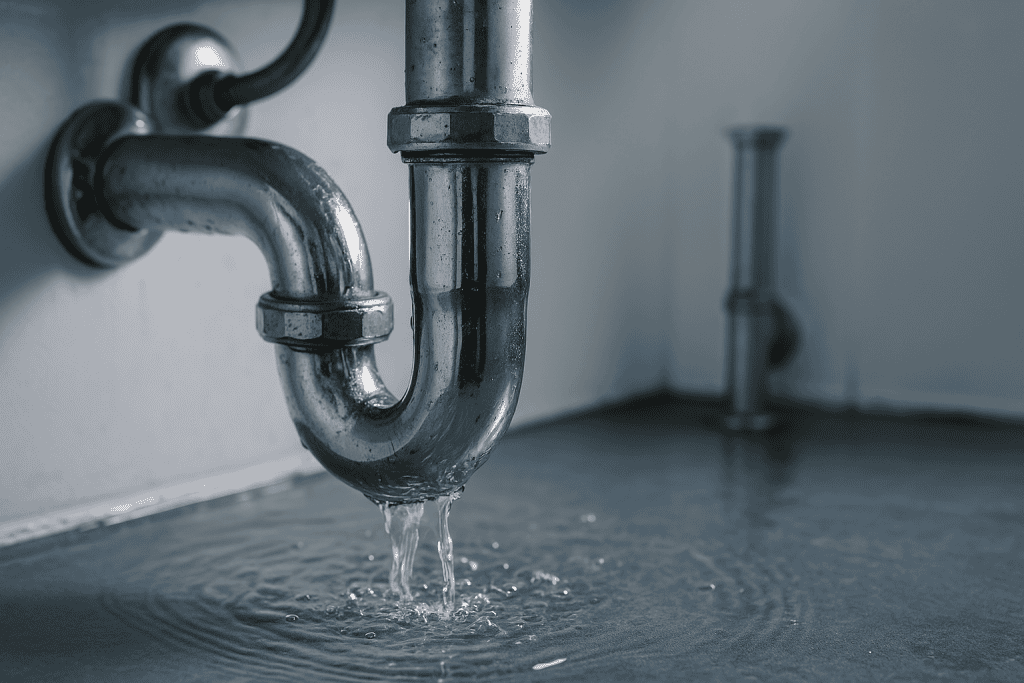
Hard water damage often starts with small changes that appear around taps, showers, and appliances. White, chalky marks on chrome, glass, or ceramic surfaces usually indicate mineral deposits, especially where water dries after use. Soap that refuses to lather, or a sticky film left on skin and sinks, can also point to excess calcium and magnesium.
Inside the system, reduced flow provides an early clue. A showerhead that sprays unevenly, a tap that takes longer to fill a basin, or a toilet that refills more slowly can suggest scale narrowing the water path. Unusual noises also matter. Kettling sounds from a boiler or hot water cylinder may occur when scale insulates heating surfaces and causes water to overheat in pockets. Guidance from Energy Saver (US Department of Energy) explains how mineral build-up can reduce water-heating efficiency.
Changes in hot water performance often follow. Water may run cooler than expected, take longer to heat, or fluctuate in temperature during use. Early action at this stage can prevent leaks, premature valve wear, and avoidable strain on pumps and heating components.
Common Hard Water Plumbing Problems: Scale, Blockages, and Appliance Wear
Hard water causes three recurring plumbing problems: scale build-up, flow restrictions, and premature wear in hot-water equipment. Each issue starts inside the system, so symptoms often appear only after performance drops or energy use rises.
- Scale build-up on internal surfaces forms when heated or pressurised water leaves minerals behind. Deposits cling to pipe walls, valves, and tap cartridges, which can reduce efficiency and shorten component life.
- Blockages and reduced flow develop as scale narrows pipework and clogs small openings. Showerheads, aerators, and thermostatic mixer valves often suffer because narrow passages trap mineral deposits quickly.
- Appliance wear and higher running costs occur when scale insulates heating elements and coats heat exchangers. Kettles, combi boilers, immersion heaters, and washing machines may need more energy to reach the same temperature, while parts such as pumps and seals can fail sooner.
Hot-water systems tend to show the greatest impact. Scale can reduce heat transfer in boilers and cylinders, which may lead to longer heat-up times and uneven water temperatures. In severe cases, restricted circulation increases strain on pumps and can trigger fault codes or safety shut-downs.
Hard water also affects drainage indirectly. Soap and detergent residues can combine with minerals to create stubborn deposits inside waste pipes. That build-up can trap hair and debris, which increases the likelihood of slow sinks and recurring blockages.
For independent guidance on scale and water hardness, consult Water UK for sector information, or check local hardness data through your regional supplier. Accurate hardness figures help match the right fix to the severity of the problem.
Practical Fixes: Descaling, Maintenance, and Targeted Component Replacement
Start with descaling to restore flow and heat transfer. Soak removable parts, such as showerheads and tap aerators, in a mild acid solution, then rinse and refit. For boilers and hot-water cylinders, arrange a professional power flush or manufacturer-approved descaling treatment, since incorrect chemicals can damage seals and heat exchangers. Maintain results with routine cleaning of outlets and prompt repair of dripping taps, as constant seepage accelerates mineral deposits.
When scale has worn moving parts, targeted replacement often costs less than repeated call-outs. Swap blocked aerators, stiff tap cartridges, and scaled shower hoses, then check isolation valves for restricted movement. Replace appliance inlet filters and inspect heating elements for heavy build-up, as limescale can raise running costs. For long-term control, consider a correctly sized water softener that meets BSI standards and follow the supplier’s servicing schedule.
Long-Term Prevention: Water Softeners, Filtration Options, and Ongoing Testing
Long-term prevention starts with treating the water before scale forms. A properly sized water softener removes calcium and magnesium through ion exchange, which helps protect pipework, valves, and hot-water equipment. Choose a unit certified to recognised standards, such as WRAS approval for fittings and materials in contact with potable water. Where sodium intake matters, consider a softener with a separate drinking-water tap or a non-salt alternative for selected outlets.
Filtration can also play a role. A whole-house sediment filter protects appliances from grit, while specialist media filters can reduce certain dissolved minerals, depending on local water chemistry. Routine testing keeps prevention on track. Use hardness test strips for quick checks, then arrange periodic laboratory analysis when results change, after plumbing work, or if a private supply serves the property. Record readings and service dates to confirm performance over time.
Frequently Asked Questions
What signs indicate that hard water has started to damage household plumbing?
Common signs include white limescale on taps and showerheads, reduced water pressure, slow drains, noisy pipes, frequent leaks at joints, and shorter appliance life. Soap may lather poorly, while dishes and fixtures show spots. Hot water systems can take longer to heat or run less efficiently due to scale build-up.
How does limescale build-up reduce water pressure in taps and showerheads?
Limescale forms when hard water leaves calcium and magnesium deposits inside tap aerators, showerhead nozzles, and pipework. These deposits narrow the openings and roughen internal surfaces, which increases resistance to flow. As a result, less water passes through at the same supply pressure, so taps and showers deliver a weaker stream.
Which plumbing fixtures and appliances suffer the most from hard water deposits?
Hard water deposits most often affect taps and showerheads, toilet fill valves, and pipework in hot-water lines. Key appliances include water heaters, boilers, kettles, dishwashers, and washing machines. These items heat water, spray through small openings, or rely on valves and heating elements, so limescale builds quickly and reduces flow and efficiency.
What practical steps can remove limescale from pipes and fittings without causing damage?
Use a mild descaler such as white vinegar or a citric acid solution. Isolate the section, drain pressure, then soak removable fittings for 30–60 minutes and brush gently with a nylon brush. Flush thoroughly with clean water. Avoid strong acids, wire brushes, and prolonged soaking on plated finishes. Repeat little and often.
When should a household install a water softener to prevent recurring hard water plumbing problems?
A household should install a water softener when tests show hard water above 120 mg/L (about 7 grains per gallon) and plumbing issues keep returning. Common signs include:
- Limescale on taps, showerheads, kettles, or heating elements
- Reduced water pressure from scale build-up
- Frequent boiler or appliance faults linked to scale