Choosing between a boiler and a heat pump affects comfort, running costs, and carbon emissions. Boilers burn gas or oil to heat water for radiators and taps, while heat pumps move heat from the air or ground using electricity. Each option suits different homes, budgets, and insulation levels. This guide explains how both systems work and outlines the key factors that help you decide which heating solution fits your property.
Key takeaways
- Boilers suit homes with existing gas systems and limited space for equipment.
- Heat pumps work best in well-insulated homes with low-temperature heating emitters.
- Running costs depend on energy prices, system efficiency, and household heat demand.
- Heat pumps cut carbon emissions, especially when paired with renewable electricity tariffs.
- Upfront costs tend to be higher for heat pumps, but grants can reduce them.
- Boilers deliver high flow temperatures quickly, which suits older radiator systems.
How Boilers Work and Where They Fit Best
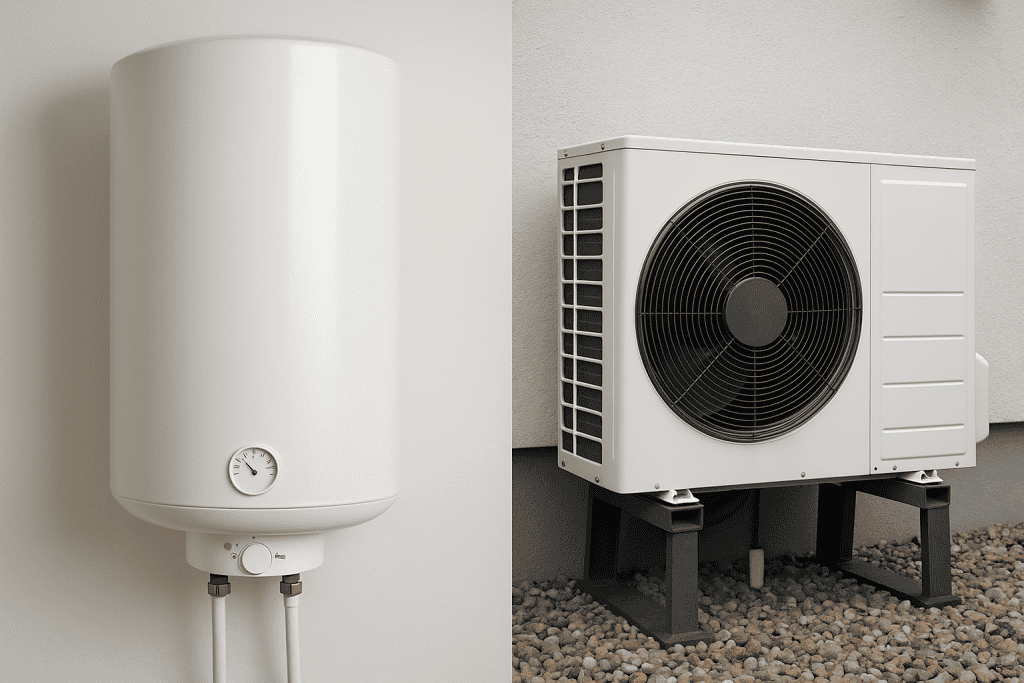
A boiler heats water and sends it through radiators, underfloor heating pipes, or a hot water cylinder. Most homes in the United Kingdom use either a gas boiler or an oil boiler, although electric boilers also exist. In a gas model, a burner ignites gas and transfers heat through a heat exchanger into the water. A pump then circulates the heated water around the home, while controls manage temperature and timing. Modern condensing boilers recover extra heat from the flue gases, which improves efficiency compared with older non-condensing designs.
Boilers fit best in properties that already have wet central heating and a reliable fuel supply. A like-for-like replacement often causes minimal disruption because installers can reuse much of the existing pipework and radiators. Homes with higher heat demand, such as larger or less insulated properties, can also suit boilers because a correctly sized unit can deliver high water temperatures quickly, which supports rapid warm-up on cold days. Where mains gas is available, a gas boiler can offer predictable running costs, although prices vary with the energy market.
Hot water needs also influence suitability. Combi boilers heat water on demand and suit smaller households with one main bathroom, provided water pressure meets requirements. System and regular boilers store hot water in a cylinder, which can better serve multiple bathrooms or high simultaneous demand. For safety and compliance, installation and servicing should follow recognised standards. For gas appliances, use a Gas Safe Register engineer. Guidance on efficient heating controls and system design is also available from the Department for Energy Security and Net Zero.
How Heat Pumps Work and When They Perform Well
A heat pump moves heat rather than creating it through combustion. The system uses a refrigerant that circulates through a closed loop. An outdoor unit absorbs low-grade heat from the air or ground, then a compressor raises the refrigerant temperature. Next, a heat exchanger transfers that heat into water for radiators, underfloor heating, or a hot water cylinder. Since the unit runs on electricity, a heat pump can deliver several units of heat for each unit of electricity used, measured as a coefficient of performance (COP). For a clear definition of COP and seasonal performance, see the US Department of Energy guidance on heat pump systems.
Heat pumps perform best in well-insulated homes that can run at lower flow temperatures. Underfloor heating suits this approach because it spreads heat across a large area. Modern, correctly sized radiators can also work well, although some properties need upgrades to emit enough heat at lower temperatures. Good airtightness helps because it reduces draughts and keeps internal temperatures stable.
Climate also matters. Air source heat pumps operate efficiently in typical UK winter conditions, yet output can fall during very cold spells. Ground source systems tend to provide steadier performance because the ground temperature changes less through the year, although installation needs space for ground loops or boreholes. Accurate design and commissioning remain essential; MCS certification helps homeowners identify installers who follow recognised standards.
Upfront Costs, Running Costs, and Typical Payback Periods
Upfront costs often differ sharply. A like-for-like boiler replacement usually costs less than a heat pump because installers can often reuse existing pipework and radiators. A heat pump installation tends to cost more, since the work may include an outdoor unit, a hot water cylinder, upgraded controls, and radiator or pipe changes to suit lower flow temperatures.
Running costs depend on fuel prices, system efficiency, and how well the home retains heat. Modern condensing boilers can run efficiently, yet gas and oil prices can vary. Heat pumps use electricity, but high efficiency can reduce the amount of energy needed for each unit of heat, particularly in well-insulated homes with low-temperature heating. For current price caps and unit rates, check Ofgem.
Payback periods vary. A heat pump may repay its higher upfront cost faster where a home uses oil, LPG, or direct electric heating, or where insulation upgrades allow low flow temperatures. In a typical gas-heated home, payback can take longer and depends on electricity-to-gas price ratios, heating patterns, and available support. England and Wales may reduce upfront costs through the Boiler Upgrade Scheme, which can change the calculation.
Home Suitability: Insulation, Radiators, Space, and Climate Considerations
Home suitability often comes down to heat demand and the temperature your system must deliver. Well-insulated homes with good draught-proofing usually suit heat pumps, because the system performs best when it can run steadily at lower water temperatures. Older properties with solid walls or limited insulation can still use a heat pump, yet the home may need fabric upgrades and larger radiators or underfloor heating to maintain comfort.
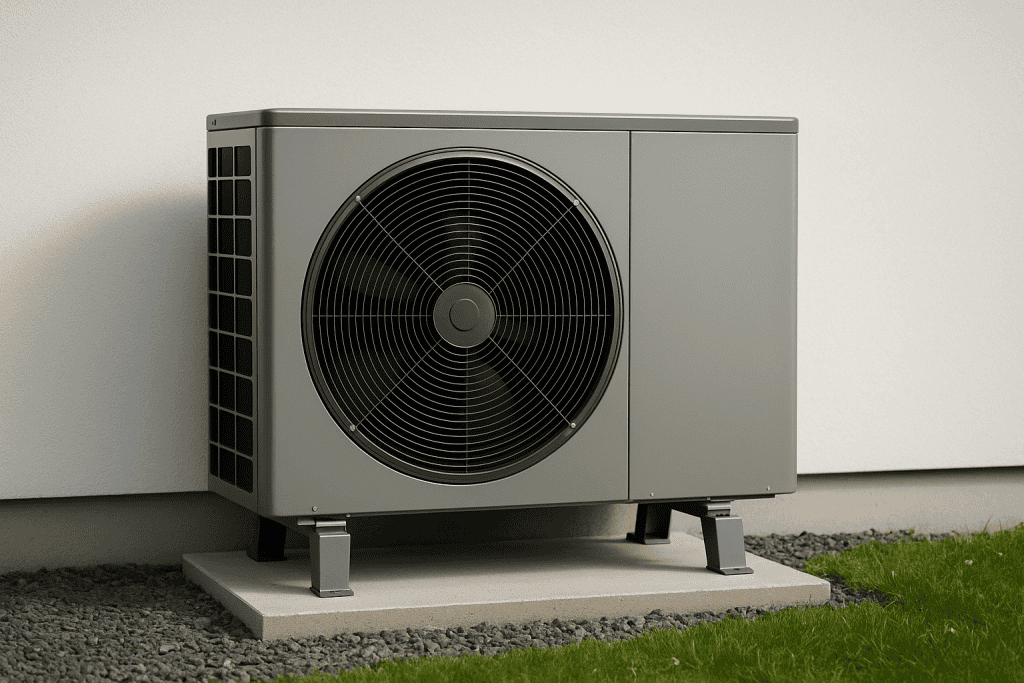
Space also matters. An air source heat pump needs an outdoor unit with clear airflow and acceptable noise positioning, while many installations also require a hot water cylinder indoors. Boilers tend to fit where internal space is tight and existing flues and pipework already suit the layout.
Climate influences performance. Air source units work well across the United Kingdom, although cold snaps can reduce efficiency and increase electricity use. Guidance from Energy Saving Trust helps assess insulation, emitter sizing, and practical constraints before choosing a system.
Carbon Impact, Grants, and Future Regulations in the UK
Carbon impact depends on fuel and grid electricity. Modern condensing gas boilers emit carbon dioxide at the point of use, while heat pumps can cut emissions because they deliver more heat than the electricity they consume. As the UK grid continues to decarbonise, heat pump emissions tend to fall over time, while boiler emissions remain broadly fixed for a given fuel.
For support with upfront costs, check the Boiler Upgrade Scheme on GOV.UK, which offers grants for eligible air source and ground source heat pumps in England and Wales. Scotland and Northern Ireland run separate schemes, so confirm local eligibility before planning work.
Regulation also matters. The UK aims to reduce emissions from buildings, and policy continues to favour low-carbon heating. If a boiler replacement suits current needs, consider “heat pump ready” steps such as improving insulation and upgrading controls, since future rules and incentives may shift the balance during the next replacement cycle.
Frequently Asked Questions
What are the main differences between a boiler and a heat pump for home heating?
A boiler burns gas or oil to heat water for radiators and hot taps, delivering high temperatures quickly. A heat pump uses electricity to move heat from outside air or the ground, running best at lower flow temperatures with larger radiators or underfloor heating. Heat pumps cut emissions but can cost more to install.
How do running costs compare between a modern boiler and an air source heat pump in the United Kingdom?
Running costs depend on energy prices and efficiency. A modern gas boiler often costs less to run than an air source heat pump on a standard electricity tariff. However, a heat pump can match or beat boiler costs in a well-insulated home with low flow temperatures, especially on a heat pump tariff.
Which home insulation and radiator requirements affect whether a heat pump will work efficiently?
Heat pumps run best in well-insulated homes with low heat loss. Loft, wall and floor insulation, draught-proofing and high-performance glazing reduce the required flow temperature. Radiators must deliver enough heat at lower temperatures, so larger radiators or underfloor heating often suit. Poor insulation or undersized radiators can force higher temperatures and cut efficiency.
What installation changes and space requirements should homeowners expect when replacing a boiler with a heat pump?
Expect an outdoor unit with clear airflow space and a suitable indoor location for a cylinder or buffer tank. Pipework often needs upgrades, including larger radiators or underfloor heating, plus insulation improvements. Installers may add new electrical cabling and a dedicated consumer unit circuit. Planning for condensate drainage and noise clearance also helps.
How do carbon emissions and future energy price trends influence the choice between a boiler and a heat pump?
Heat pumps usually cut carbon emissions, especially as the electricity grid becomes cleaner. Boilers, particularly gas models, produce direct emissions and may face tighter rules. Energy prices can shift: electricity may rise, yet heat pumps use less energy per unit of heat. Gas prices can stay volatile, which can raise boiler running costs.