Regular boiler maintenance keeps heating reliable, reduces energy waste, and helps prevent sudden breakdowns. Many issues start small, such as low pressure, trapped air, or a blocked condensate pipe, yet they can lead to costly repairs if ignored. A few simple checks, done safely and at the right intervals, can reveal early warning signs before performance drops. This guide explains practical, technician-approved steps that support efficiency and extend boiler life.
Key takeaways
- Bleed radiators and top up system pressure to keep heat output consistent.
- Set the boiler flow temperature correctly to cut gas use without losing comfort.
- Check for early warning signs, such as kettling, leaks, or repeated lockouts.
- Keep vents and the flue terminal clear to maintain safe combustion and airflow.
- Use inhibitor and arrange a powerflush when sludge causes cold spots or noise.
- Book an annual service that includes combustion checks, seals inspection, and safety tests.
How a Boiler Works and Which Parts Fail Most Often
A boiler heats water and sends the heat to radiators or underfloor heating. In a combi boiler, the same unit also heats hot water on demand. The process starts when the thermostat calls for heat. The boiler then opens the gas valve, ignites the burner, and uses a heat exchanger to transfer heat into the water. A pump circulates the heated water through the system, while sensors and safety controls keep temperatures and pressures within safe limits. Flue components remove combustion gases to the outside.
Several parts fail more often because they face heat, water, and constant cycling. Hard water areas also accelerate scale build-up, which reduces heat transfer and stresses components.
- Heat exchanger: Scale and sludge reduce efficiency and can cause overheating or leaks.
- Circulating pump: Worn bearings, seized shafts, or air in the system can stop circulation, leading to noise and lockouts.
- Expansion vessel: Loss of air charge causes pressure swings, frequent topping up, and discharge from the pressure relief valve.
- Pressure relief valve (PRV): Debris or repeated overpressure can make the valve weep, which drops system pressure.
- Ignition and flame sensing: Dirty electrodes or poor earthing can prevent reliable ignition and trigger safety shutdowns.
- Fan and air pressure switch: Wear, condensate issues, or blocked flues can stop safe combustion.
- Diverter valve (combi boilers): Sticking or worn seals can cause hot water temperature swings or lukewarm radiators.
- Printed circuit board (PCB): Heat and moisture can damage electronics, causing intermittent faults.
For safety-critical components, follow manufacturer guidance and use a Gas Safe Register engineer for any gas work. A clear fault history also helps: note pressure changes, error codes, and when symptoms occur.
Hidden Causes of Boiler Breakdowns and How to Spot Early Warning Signs
Many boiler breakdowns start with small issues that remain hidden until a cold morning forces attention. Poor system water quality often sits behind repeat faults. Sludge (a build-up of iron oxide) restricts flow, which makes the boiler cycle on and off and strains the pump. Early signs include radiators that heat unevenly, gurgling noises, or frequent pressure drops. Limescale causes similar stress in hard-water areas, especially on the heat exchanger, and can show up as kettling (a rumbling sound) when the boiler fires.
Air leaks into the system can also trigger lockouts. A radiator that needs frequent bleeding, or a pressure gauge that falls without visible leaks, suggests a problem worth checking. Flue and ventilation issues create another hidden risk. Condensate pipe freezing can stop modern condensing boilers, while a blocked terminal may cause the boiler to shut down for safety. For safety guidance on carbon monoxide risks and alarms, follow Gas Safe Register. A sharp rise in gas use, new sooting marks near the boiler, or persistent ignition failures all warrant prompt professional inspection.
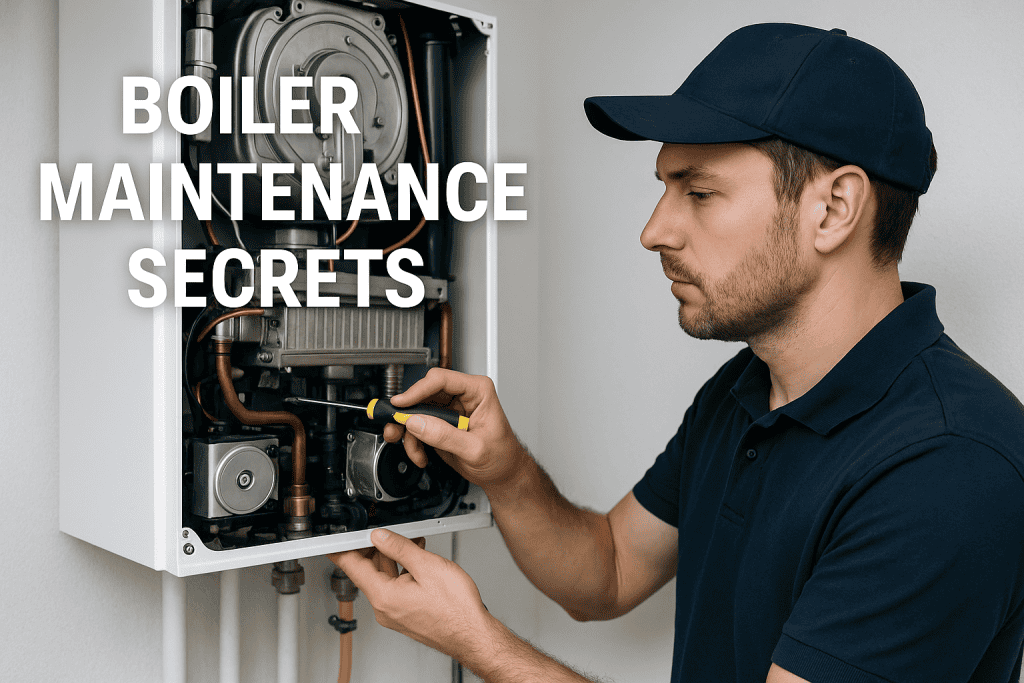
Maintenance Checks Homeowners Can Do Safely Between Annual Services
Between annual services, homeowners can carry out a few low-risk checks that help a boiler run reliably. Check the pressure gauge when the system is cold; many sealed systems operate around 1.0 to 1.5 bar, although the manual takes priority. If pressure drops often, look for visible leaks at radiator valves and pipe joints, then contact an engineer rather than topping up repeatedly. Bleed radiators only if cold spots appear, then recheck pressure afterwards. Keep the area around the boiler clear and ensure vents and the flue terminal outside remain unobstructed; never cover air bricks or modify the flue. Test the programmer and room thermostat for correct switching, and replace batteries where fitted. If a condensate pipe freezes, thaw it gently with warm water, following guidance from Gas Safe Register. Any smell of gas, soot marks, or persistent fault codes require immediate professional attention.
When to Call a Gas Safe Engineer and What a Proper Service Should Include
Call a Gas Safe engineer whenever a boiler shows signs of unsafe combustion or gas supply issues. Seek urgent help if a carbon monoxide alarm sounds, if you notice soot marks around the case, if the flame appears yellow or unstable, or if you smell gas. Turn off the gas at the emergency control valve, open windows, and contact the National Gas Emergency Service on 0800 111 999. Arrange a visit if the boiler locks out repeatedly, loses pressure without an obvious cause, makes new banging noises, or struggles to heat water consistently.
A proper annual service goes beyond a quick visual check. The engineer should confirm registration on the Gas Safe Register, then inspect the flue route, terminal position, and ventilation. A combustion analysis with a calibrated flue gas analyser should verify safe, efficient burning. The engineer should also check gas tightness, working gas pressure, burner condition, ignition performance, and key safety devices such as the flame supervision system and overheat controls. Inside the case, the engineer should assess seals, clean components where required by the manufacturer, and test condensate drainage. Before leaving, the engineer should record results, note any advisories, and explain any remedial work clearly.
Frequently Asked Questions
How often should a domestic boiler receive a professional service to maintain safety and efficiency?
Arrange a professional boiler service once a year. Annual servicing keeps combustion safe, checks for carbon monoxide risks, and maintains efficiency by cleaning and adjusting key parts. Book earlier if the boiler shows warning signs such as unusual noises, frequent pressure drops, or yellow flames, or if the manufacturer specifies a shorter interval.
Which early warning signs indicate that a boiler needs attention before a breakdown occurs?
Early warning signs include unusual noises (banging, whistling), frequent pressure drops, radiators heating unevenly, slow hot water, and repeated lockouts. Watch for leaks, corrosion marks, or a yellow, flickering flame instead of a steady blue one. Rising gas bills without higher use can also signal reduced efficiency.
What boiler maintenance checks can a homeowner carry out safely without removing the boiler casing?
Homeowners can safely check boiler pressure (and top up via the filling loop if instructed), inspect for leaks, corrosion, or scorch marks, ensure the flue terminal outside is clear, test carbon monoxide alarms, bleed radiators if needed, and confirm the programmer and thermostat work. Keep vents unobstructed and book an engineer if unusual noises or smells occur.
How does system pressure affect boiler performance, and what pressure range suits most UK combi boilers?
System pressure drives water through the boiler and radiators. Low pressure can cause poor heating, noise, and lockouts, while high pressure can trigger safety discharge and leaks. Most UK combi boilers run best at about 1.0–1.5 bar when cold, rising to roughly 1.5–2.0 bar when hot. Check the gauge regularly.
What steps help prevent limescale and sludge build-up in a boiler and central heating system?
Maintain correct system pressure, bleed radiators, and schedule an annual service. Add a scale inhibitor in hard-water areas and fit a magnetic filter to capture iron oxide (sludge). Powerflush if radiators heat unevenly or water runs dirty. Keep the system sealed, fix leaks promptly, and use corrosion inhibitor after any drain-down.