Rising energy prices make winter heating a serious household cost. Cutting bills does not need to mean living in the cold. Small changes to how a home holds and uses heat can reduce waste while keeping rooms comfortable. This guide explains practical steps, from quick draught fixes to smarter heating controls, with clear advice on what tends to deliver the best savings. Use these measures to stay warm, protect health, and manage spending through the colder months.
Key takeaways
- Set the thermostat to 18–19°C and use timed schedules to avoid waste.
- Heat occupied rooms only, and close doors to stop warm air escaping.
- Draught-proof doors, windows, and letterboxes to cut heat loss immediately.
- Bleed radiators and keep them clear of furniture for better heat output.
- Use thick curtains at dusk, and open them in daylight for free warmth.
- Layer clothing and use throws to stay comfortable without raising the thermostat.
Understand What Drives Your Heating Costs
Heating bills rise or fall based on three main factors: how much heat the home loses, how efficiently the heating system turns fuel into warmth, and how long the system runs each day. Heat loss often accounts for the largest share of cost. Warm air escapes through lofts, walls, floors, draughty doors, and older windows, while cold air enters to replace it. As a result, the boiler or heat pump must work harder to maintain the set temperature.
System efficiency also matters. A modern, well-maintained condensing boiler converts more of the gas it burns into usable heat than an older model, while poor controls can waste energy by heating empty rooms or running at higher temperatures than needed. Behaviour and schedules influence costs as well. Longer heating periods, higher thermostat settings, and frequent use of hot water all increase demand.
Energy prices and tariffs can amplify these effects. For current guidance on typical household energy costs and support schemes, consult Ofgem. Once the main drivers are clear, it becomes easier to target changes that cut waste without sacrificing comfort.
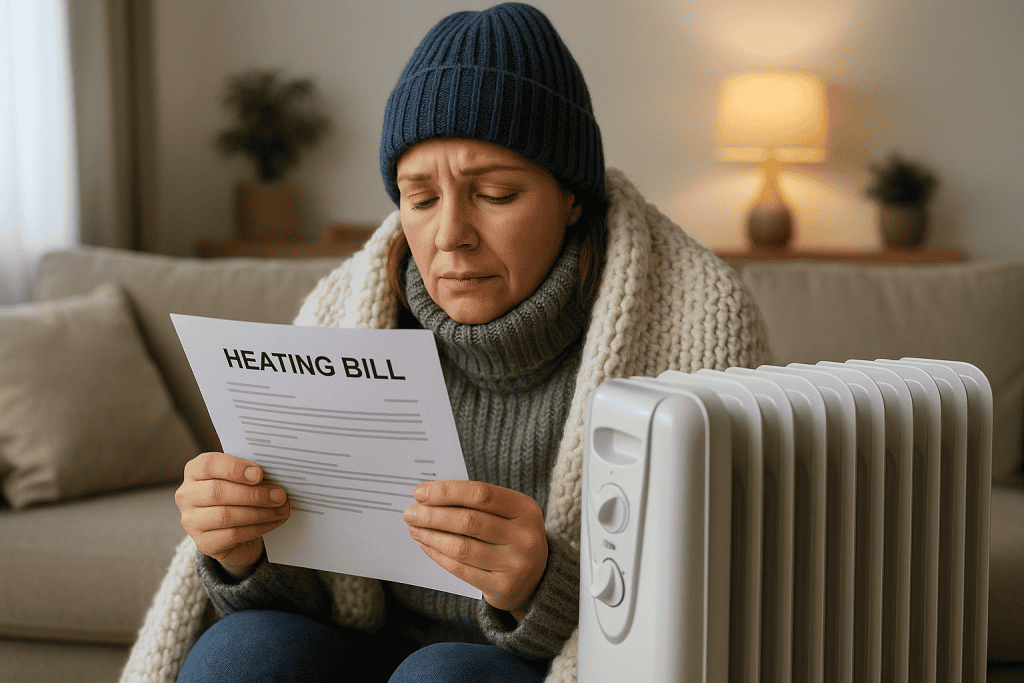
Set Thermostat and Heating Controls for Efficient Comfort
Heating controls reduce waste by matching heat output to real demand. A small change in set points and schedules often cuts costs without making rooms feel cold.
- Set a sensible target temperature: Many households feel comfortable around 18–21 °C in living areas. Bedrooms often suit a lower setting. Aim for the lowest temperature that still feels comfortable.
- Use a timed schedule: Heat the home when it is occupied and awake, then reduce the set point overnight or when the property is empty. Avoid running heating all day “just in case”.
- Control rooms, not just the whole house: Turn down radiators in spare rooms and keep doors closed to prevent warm air drifting into unused spaces.
When a home has a boiler and radiators, thermostatic radiator valves (TRVs) help balance comfort. Set the main room thermostat to control the boiler, then use TRVs to fine-tune other rooms. Do not fit a TRV on the radiator in the same room as the main thermostat, as the two controls can compete and cause short cycling.
For properties with a heat pump, steady settings usually work better than frequent, large temperature swings. Heat pumps run most efficiently at lower flow temperatures, so a modest, consistent set point often costs less than repeated “boosts”. Follow the manufacturer guidance and consider installer support if settings seem unclear.
Smart thermostats can improve control through zoning, occupancy features, and clearer schedules. Choose models that suit the heating system and support the existing wiring. For practical advice on using controls effectively, consult Energy Saving Trust guidance.
Tip: If rooms feel chilly after lowering the thermostat, check for draughts and blocked radiators before raising the set point.
Reduce Heat Loss Through Insulation, Draught-Proofing, and Curtains
Insulation and draught-proofing cut heat loss, so the heating system runs for fewer hours. Start with the loft, since warm air rises and escapes quickly through an uninsulated roof space. Cavity wall insulation can also reduce loss in many homes, while solid walls often need specialist systems. Seal gaps around external doors, letterboxes, loft hatches, and pipe penetrations, but keep purpose-built vents clear to avoid damp and poor air quality. For guidance on safe ventilation and suitable materials, use advice from GOV.UK.
Curtains help as well. Fit full-length, lined curtains and close them at dusk to reduce radiant heat loss through glass. Tuck curtains behind radiators where possible, since trapped heat can escape through the window. Thermal blinds can improve comfort in rooms with older glazing, while still allowing daylight when open.
Maintain Boilers and Radiators to Improve System Efficiency
Regular maintenance helps a boiler and radiators convert fuel into usable heat with less waste. Book an annual service with a qualified engineer, and ask for checks on combustion, pressure, seals, and safety controls. A clean, correctly adjusted boiler reaches target temperatures faster and cycles less often, which can reduce running costs.
Radiators also need attention. Bleed trapped air so each panel heats evenly, then top up system pressure if the gauge falls below the recommended range. Cold spots often indicate sludge; a powerflush or chemical clean can restore circulation and improve heat output. Fit thermostatic radiator valves (TRVs) where suitable, and keep furniture clear of radiators so warm air can circulate.
For practical guidance on servicing and safe operation, follow advice from Gas Safe Register and HSE.
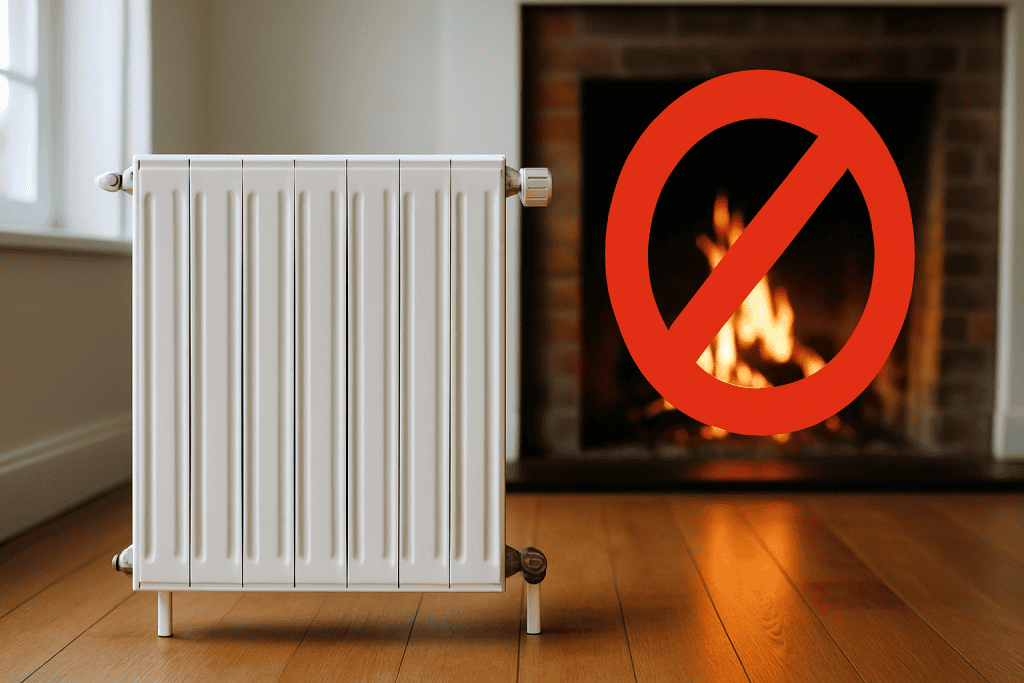
Use Room-by-Room Heating Strategies Without Sacrificing Warmth
Room-by-room heating cuts waste by warming the spaces in use, while letting cooler areas sit at a safe background temperature. Start by identifying the rooms that need comfort heat for long periods, such as the living room and kitchen, then reduce heat in spare bedrooms, box rooms, and hallways. Keep internal doors closed to limit heat drift, and use draught excluders at thresholds so warm air stays where it delivers value.
Thermostatic radiator valves (TRVs) help each radiator respond to the temperature in that room. Set higher TRV numbers in occupied rooms and lower settings in rarely used spaces, while leaving the main thermostat to control the boiler. If a room has a thermostat, keep the radiator valve fully open in that space so the controls do not compete. For homes with smart zoning, set schedules per room and avoid heating empty spaces for hours. Reputable systems include Honeywell Home and tado°.
Do not switch heating off in very cold weather if the property risks damp or frozen pipes. A modest background setting often protects the building fabric while still reducing bills.
Check Tariffs, Smart Meter Data, and Available Grants for Extra Savings
Energy prices and support schemes change often, so a quick tariff check can unlock savings without changing comfort. Start with the unit rate (pence per kWh) and the standing charge, since both shape the bill. If a fixed deal ends soon, compare options and note any exit fees. Use an Ofgem-accredited comparison service where possible, and confirm details on Ofgem before switching.
Smart meter data can also highlight waste. Check half-hourly or daily usage patterns in the in-home display or supplier app, then look for spikes that do not match occupancy. A high baseline overnight can point to a hot water schedule, immersion heater use, or a circulation pump running too long. After a small change, such as adjusting hot water timings, review the next few days of data to confirm the impact.
Grants and discounts provide another route to lower costs. Households on certain benefits may qualify for the Warm Home Discount, which reduces electricity bills in winter. People on low incomes, or those in inefficient homes, may access help through the Help to Heat guidance, including schemes delivered by local authorities. Check eligibility early, since funding windows and installer availability can limit access.
Tip: Treat tariff checks, smart meter reviews, and grant searches as a seasonal routine, ideally before cold weather increases demand.
Frequently Asked Questions
Which home heating adjustments can reduce bills without making rooms feel cold?
Set the thermostat 1–2°C lower and use timed schedules, keeping bedrooms cooler than living areas. Close doors to unused rooms and heat occupied zones only. Fit draught excluders, close curtains at dusk, and keep radiators clear. Bleed radiators and set thermostatic radiator valves (TRVs) to match each room’s use.
How can draught-proofing and insulation cut heating costs during winter?
Draught-proofing blocks cold air entering through gaps around doors, windows, floors, and loft hatches, so warm air stays indoors. Insulation slows heat loss through the roof, walls, and floors, which reduces how often heating runs. Together, these measures improve comfort, cut energy use, and lower winter heating bills.
What thermostat settings and heating schedules help lower energy use while maintaining comfort?
Set the thermostat to 18–20°C when occupied and 15–17°C overnight or when away. Use a timed schedule: warm rooms 30–60 minutes before waking and returning home, then reduce heat between those periods. Heat only the rooms in use and keep doors closed to prevent heat loss.
Which low-cost maintenance checks improve boiler or heat pump efficiency before winter?
Bleed radiators to remove trapped air, then top up boiler pressure to the recommended range. Clean or replace heating system filters and clear outdoor heat pump coils of leaves and dirt. Check for visible pipe leaks and insulate exposed pipes. Set correct flow temperature and heating schedule, then book an annual service if due.
How can households identify and prioritise the rooms that need heating most to reduce spending?
Start with occupied rooms and those used for long periods, such as the living room and bedrooms. Reduce heat in spare rooms, hallways, and storage areas. Check for cold spots, draughts, and poor insulation, then prioritise rooms with vulnerable occupants. Use thermostatic radiator valves and close doors to zone heat and cut waste.